Syria: Conflict
Conflict

From 2013 to 2025, the Emergency Telecommunications Cluster/Sector (ETC/S) supported humanitarian operations in Syria and cross‑border hubs in Jordan, Lebanon, and Türkiye, ensuring responders had reliable, secure communications throughout one of the world’s most complex emergencies. At its peak, the ETS enabled more than 900 humanitarian personnel with shared internet services, security telecommunications, and coordination support.
Years of conflict severely damaged Syria’s telecommunications infrastructure, while insecurity, access restrictions, and bureaucratic hurdles repeatedly delayed missions and equipment imports. By 2025, 70% of the population still required humanitarian assistance, and nationwide communications systems remained degraded. Funding shortfalls—especially in 2025, when only half of requirements were met—ultimately led to the phase‑out of ETS operations.
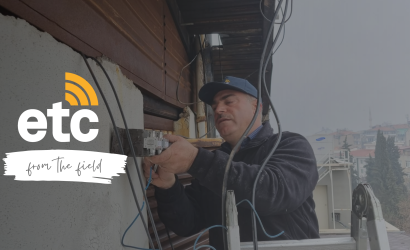
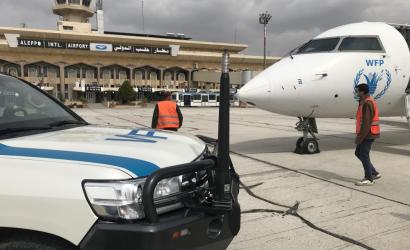
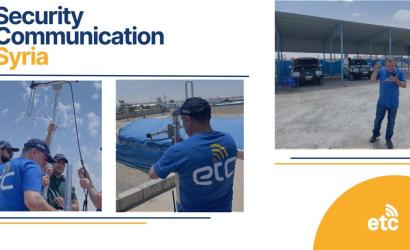
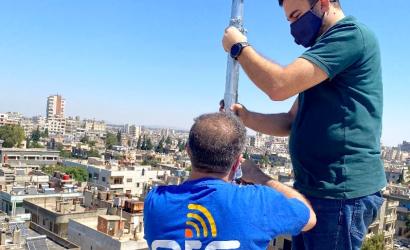
Despite these challenges, the ETS delivered major achievements. It upgraded humanitarian communication systems across the country, expanded Wi‑Fi coverage at eight sites, deployed VSAT and satellite‑backup solutions, installed solar power systems, and continuously rehabilitated ICT networks. The ETS strengthened staff safety by supporting six UNDSS Security Operations Centres and launching a Remote SOC connecting five locations. Radio communications were enhanced through extensive VHF/UHF programming, radio‑room upgrades, and repeater improvements. In 2025, the completion of a national Airband network enabled UNHAS ground‑to‑air communications across all hubs, improving aviation safety.
Throughout its mandate, the ETS trained hundreds of ICT and security communications personnel and consistently achieved high user satisfaction ratings of 85–96%.
Operations concluded on 31 December 2025, with a 2026 cost‑sharing model ensuring continuity of essential services under WFP leadership.