
Middle East Escalation (Iran)
Conflict
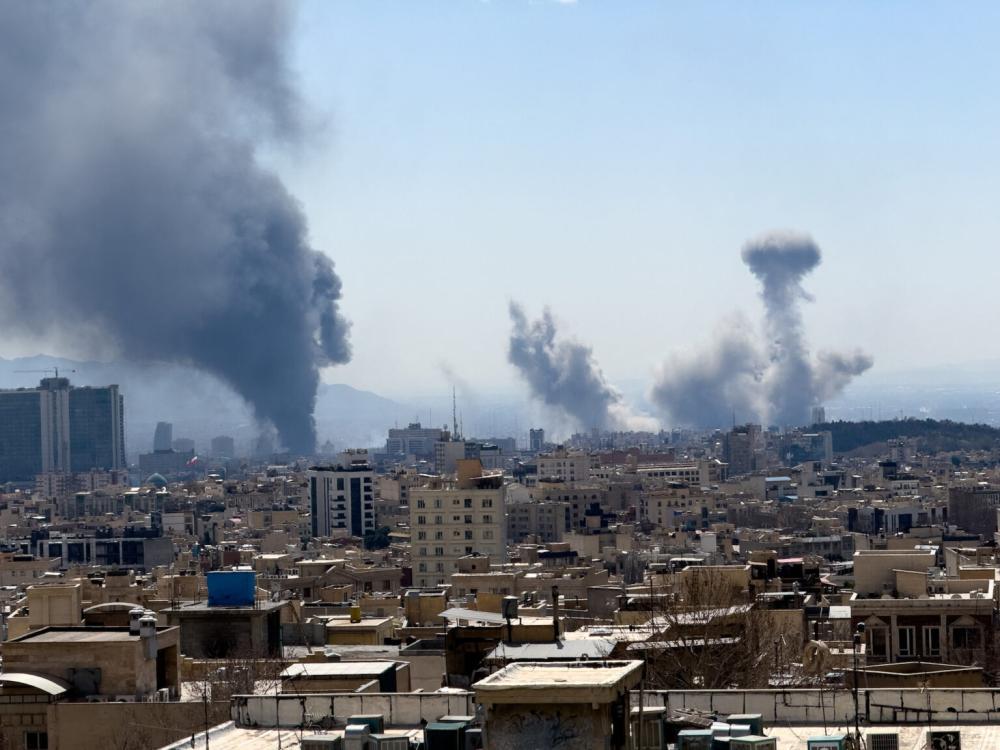
Regional tensions in the Middle East escalated sharply on 28 February after coordinated United States (U.S.)–Israeli strikes on military and leadership linked sites across at least seven Iranian provinces, triggering Iranian retaliatory missile launches toward Israel and U.S. positions in the Gulf. While most projectiles were intercepted over Bahrain, Kuwait, Jordan, Oman, Qatar and United Arab Emirates (UAE) localized damage and casualties were still reported.
A severe cyber-attack on 28 February disrupted internet and mobile networks across Iran, cutting an estimated 99 percent of internet access and leaving digital communications largely unavailable. Connectivity remains highly unstable, with mobile data and major providers experiencing sustained outages; landlines are currently the only consistently reliable communication channel.
Though telecom services remain stable in Lebanon, Israeli airstrikes on 02 March reportedly struck multiple areas across Beirut’s southern suburbs, Nabatiyeh, Saida, and South Lebanon, resulting in fatalities, injuries, and significant infrastructure damage. The Israeli Defense Forces (IDF) stated the strikes were in retaliation for projectiles launched from Lebanon into northern Israel earlier that day.
The middle east conflict has resulted in a dire and devastating humanitarian crisis and significant disruption to communications networks, ultimately impeding life-saving humanitarian operations in Iran. The WFP-led Emergency Telecommunications Cluster (ETC) is not yet activated but on standby to deploy personnel and telecoms equipment to strengthen communications in high need areas to support safer operations, improve coordination, and help partners respond to rapidly evolving displacement and protection concerns.